How Climate Change Affects Kenya’s Water Security
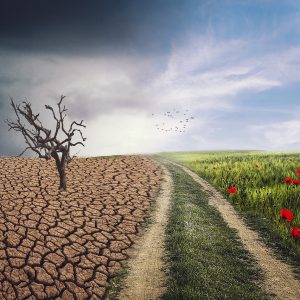
Water Scarcity in Kenya – Promoting Sustainable Water Security Water is essential for life, agriculture, economic development, and healthy ecosystems. However, Kenya faces growing water challenges driven by climate change, rising temperatures, unpredictable rainfall patterns, and prolonged droughts. These challenges threaten agricultural productivity, human health, pastoralist livelihoods, and biodiversity, making sustainable water management more important than ever. Key Water Challenges in Kenya - Reduced Rainfall and Prolonged Droughts: Declining and unpredictable rainfall is putting pressure on rivers such as the Ewaso Ng'iro, threatening communities, livestock, and agricultural activities. - Melting Mount Kenya Glaciers: Rising temperatures are accelerating the disappearance of Mount Kenya's glaciers, highlighting the effects of climate change on the country's mountain ecosystems and water resources. - Increasing Water Demand: Rapid population growth, urbanization, and expanding agricultural activities are placing additional pressure on existing water supplies. Sustainable Solutions for Water Security - Watershed Conservation: Protecting forests, wetlands, riverbanks, and catchment areas helps maintain natural water cycles, improve water quality, and support groundwater recharge. - Rainwater Harvesting: Encouraging households, institutions, and communities to collect and store rainwater provides an alternative water source for domestic use and agriculture. - Smart Irrigation Technologies: Promoting drip irrigation and other water-efficient farming techniques helps reduce water wastage while improving agricultural productivity. Conclusion Kenya's water future depends on responsible resource management and proactive climate adaptation. Protecting watersheds, investing in rainwater harvesting, and adopting efficient irrigation technologies can strengthen water security and build resilient communities. ENRM Kenya supports sustainable environmental solutions that encourage responsible water use, ecosystem protection, and long-term resource conservation. ENRM Kenya – Protecting Water Resources, Sustaining Communities, and Securing Our Future.
Across 22 facilities audited in 2024, we identified an average of 15 tonnes per month of recoverable material per site — material that was being landfilled at cost. When converted to annual savings and revenue, the internal rate of return on a waste diversion programme routinely exceeded 30%.
The best environmental work is often the work that pays for itself.