Back to Insights
Insight
February 17, 2025
Sustainable Urban Planning for Kenya’s Growing Cities
Kenya's rapidly growing cities face environmental challenges, including deforestation, poor waste management, traffic congestion, and air pollution. ENRM Kenya advocates sustainable urban development through green infrastructure, Eco-friendly public transport, and smart waste management to create cleaner, healthier, and more resilient urban environments.
Sustainable Urban Development in Kenya – Building Greener Cities for the Future
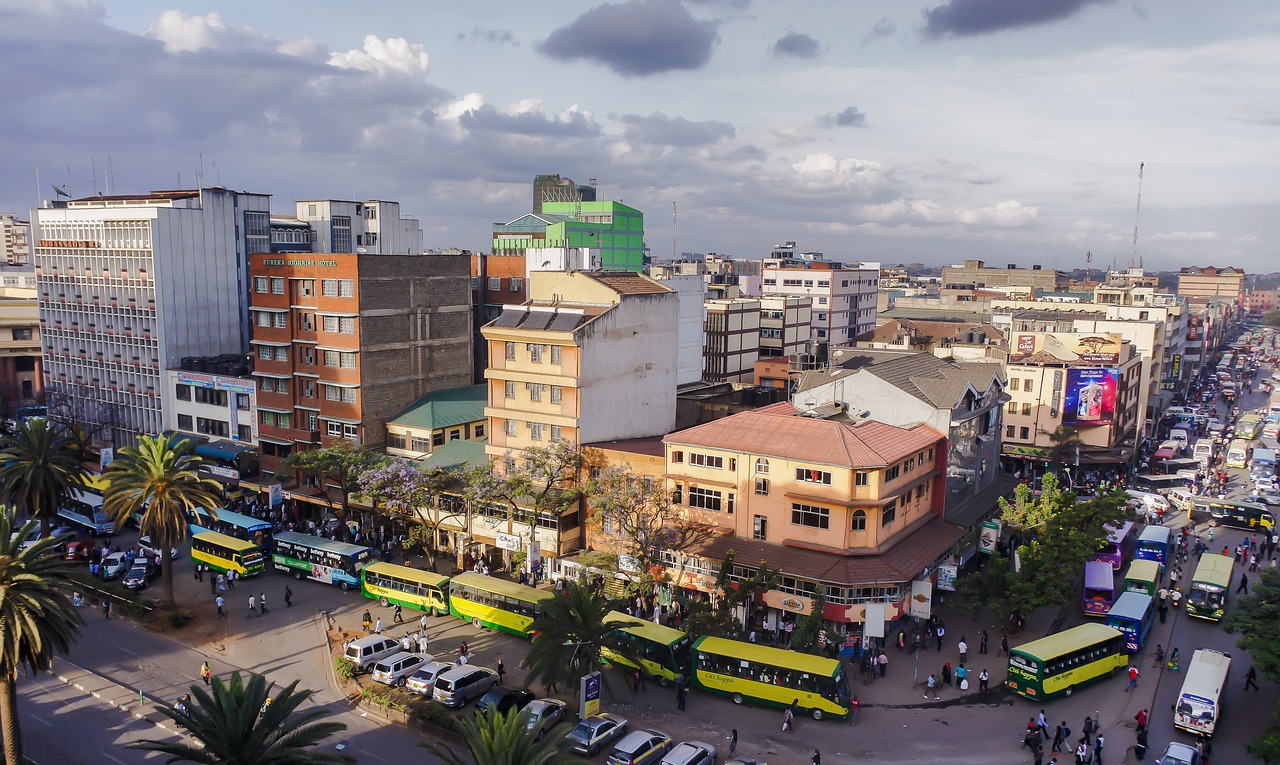
Kenya's cities are experiencing rapid urbanization, bringing increased pressure on infrastructure, natural resources, and the environment. Poor urban planning contributes to traffic congestion, air pollution, inadequate waste management, and the loss of valuable green spaces.
Sustainable urban development is essential to creating healthier, more livable, and environmentally friendly cities.
Current Urban Environmental Challenges
- Deforestation and Loss of Green Spaces: Declining urban tree cover and the destruction of green spaces contribute to rising temperatures and poor air quality.
- Inadequate Waste Management: Plastic pollution and untreated sewage threaten rivers, ecosystems, and public health.
- Traffic Congestion and Air Pollution: Increasing vehicle numbers and emissions contribute to deteriorating urban air quality.
Sustainable Solutions for Greener Cities
- Green Infrastructure: Developing urban parks, rooftop gardens, urban forests, and tree-planting initiatives to improve biodiversity and air quality.
- Eco-friendly Public Transport: Promoting electric buses, cycling infrastructure, and efficient public transport systems to reduce emissions and traffic congestion.
- Smart Waste Management: Encouraging recycling, responsible waste disposal, waste recovery, and sustainable waste-to-energy solutions.
Conclusion
Sustainable urban development is essential for Kenya's environmental future. By embracing green infrastructure, cleaner transport systems, and effective waste management, Kenya can transform its rapidly growing cities into resilient, healthier, and more sustainable urban spaces.
ENRM Kenya supports environmental awareness and sustainable solutions that contribute to a greener future.
ENRM Kenya – Promoting Sustainable Cities for a Healthier Environment.