Back to Insights
Insight
February 17, 2025
The Role of Indigenous Knowledge in Conservation
Indigenous communities across Kenya have long played an important role in environmental conservation through traditional knowledge and sustainable practices. From protecting sacred Kaya forests to promoting agroforestry and responsible water management, these time-tested approaches offer valuable solutions to modern environmental challenges. ENRM Kenya recognizes the importance of integrating indigenous knowledge with scientific conservation strategies to protect biodiversity and build a sustainable future.
Indigenous Knowledge and Environmental Conservation in Kenya – Preserving Nature Through Traditional Practices
For generations, indigenous communities across Kenya have developed traditional practices that promote environmental protection, sustainable resource management, and biodiversity conservation.
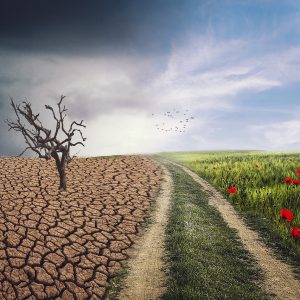
As climate change, deforestation, and environmental degradation continue to threaten ecosystems, integrating indigenous knowledge into modern conservation strategies is increasingly important.
Traditional Practices That Promote Environmental Conservation
- Protection of Sacred Forests: The Mijikenda communities preserve sacred Kaya forests, which serve as important biodiversity hotspots and cultural heritage sites. These forests demonstrate how traditional beliefs and community values can support ecosystem protection.
- Sustainable Farming and Agroforestry: Communities such as the Luo and Kalenjin have traditional agricultural practices that incorporate trees into farming systems, helping improve soil fertility, support biodiversity, and promote sustainable land use.
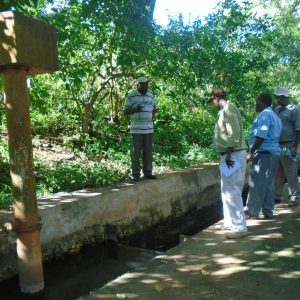
- Traditional Water Resource Management: Communities such as the Pokot and Maasai have developed traditional systems for managing and sharing water resources, helping communities adapt to changing environmental conditions and reduce resource conflicts.
Bridging Traditional Knowledge with Modern Science
Effective environmental conservation requires collaboration between indigenous communities, government agencies, researchers, and environmental organizations.
Important approaches include:
- Documenting Traditional Knowledge: Recording indigenous conservation practices to preserve valuable knowledge for future generations.
- Supporting Community Participation: Involving local communities in environmental decision-making and conservation programs.
- Integrating Scientific Research: Combining traditional ecological knowledge with modern environmental research to develop effective conservation strategies.
- Protecting Cultural Heritage: Recognizing and respecting the cultural values, traditions, and community rights associated with natural ecosystems.
Conclusion
Indigenous knowledge remains a valuable resource in Kenya's environmental conservation efforts. Traditional practices offer important lessons in biodiversity protection, sustainable agriculture, forest conservation, and responsible water management.
By recognizing indigenous expertise and integrating it with modern scientific approaches, Kenya can strengthen community-led conservation, protect its natural heritage, and build a more resilient and sustainable future.
ENRM Kenya – Preserving Indigenous Knowledge, Protecting Biodiversity, and Sustaining Nature for Future Generations.